International Technology Transfer Agreements: From Preparation to Drafting
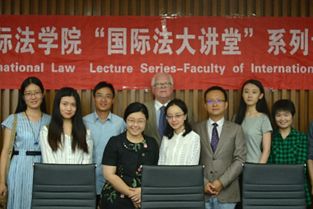
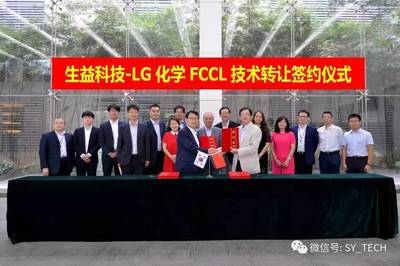
On [Date], the 25th session of the 'International Law Lecture Hall' English Series was successfully held, focusing on the intricate topic of 'International Technology Transfer Agreements: From Preparation to Drafting'. This session provided a comprehensive overview of the critical steps and considerations involved in structuring and formalizing technology transfer across borders.
The lecture commenced by emphasizing the foundational importance of thorough preparation. Experts highlighted that prior to any drafting, parties must conduct extensive due diligence. This includes clearly defining the scope of the technology to be transferred—whether it involves patents, trademarks, copyrights, know-how, or a combination. Assessing the legal and regulatory environment of both the transferor's and transferee's jurisdictions is paramount, as laws governing export controls, intellectual property rights, taxation, and competition vary significantly.
A key segment focused on the preliminary agreement stage. The speakers discussed the role of Term Sheets, Memoranda of Understanding (MOUs), and Letters of Intent (LOIs) in outlining the basic commercial and technical terms before committing to a full contract. These documents help align expectations and identify potential deal-breakers early in the negotiation process.
The core of the presentation delved into the essential clauses of a technology transfer agreement. Detailed explanations were provided on:
- Definitions and Scope: Precisely delineating the licensed technology, field of use, and territory.
- Grant of Rights: Specifying whether the license is exclusive, non-exclusive, or sole, and the rights to sub-license.
- Financial Considerations: Structuring payment terms, including upfront fees, milestone payments, and ongoing royalties based on sales or profits.
- Representations, Warranties, and Indemnities: Allocating risks related to the technology's ownership, validity, and non-infringement of third-party rights.
- Confidentiality and Protection of IP: Mechanisms to safeguard trade secrets and technical know-how during and after the transfer.
- Technical Assistance and Training: Obligations for knowledge transfer and support services.
- Improvements and Modifications: Addressing the ownership and licensing rights of any future enhancements to the technology.
- Term, Termination, and Post-Termination Rights: Conditions under which the agreement can be ended and the handling of technology and materials thereafter.
- Governing Law and Dispute Resolution: Choosing the applicable legal framework and methods for settling disputes, such as arbitration or litigation.
The lecture also addressed strategic considerations, such as the choice between an outright assignment and a licensing model, the implications for joint ventures, and compliance with international frameworks like the WTO's TRIPS Agreement. Practical case studies illustrated common pitfalls, such as ambiguous scope definitions leading to disputes, and inadequate protection of confidential information.
In conclusion, the session underscored that a well-prepared and meticulously drafted International Technology Transfer Agreement is not merely a legal document but a strategic business tool. It balances risk management with the facilitation of innovation diffusion, ensuring a mutually beneficial partnership between the technology provider and recipient. The interactive Q&A session that followed allowed attendees to delve deeper into specific jurisdictional challenges and contemporary issues in digital technology transfers, making the 25th edition of the International Law Lecture Hall a significant contribution to professional knowledge in this specialized field.
如若转载,请注明出处:http://www.vzzzoss.com/product/30.html
更新时间:2026-10-11 03:46:28